Current issue

Our Partners



NEWS
(12/12/2025 / sbr)
Gmund Paper wins German Sustainability Award 2026
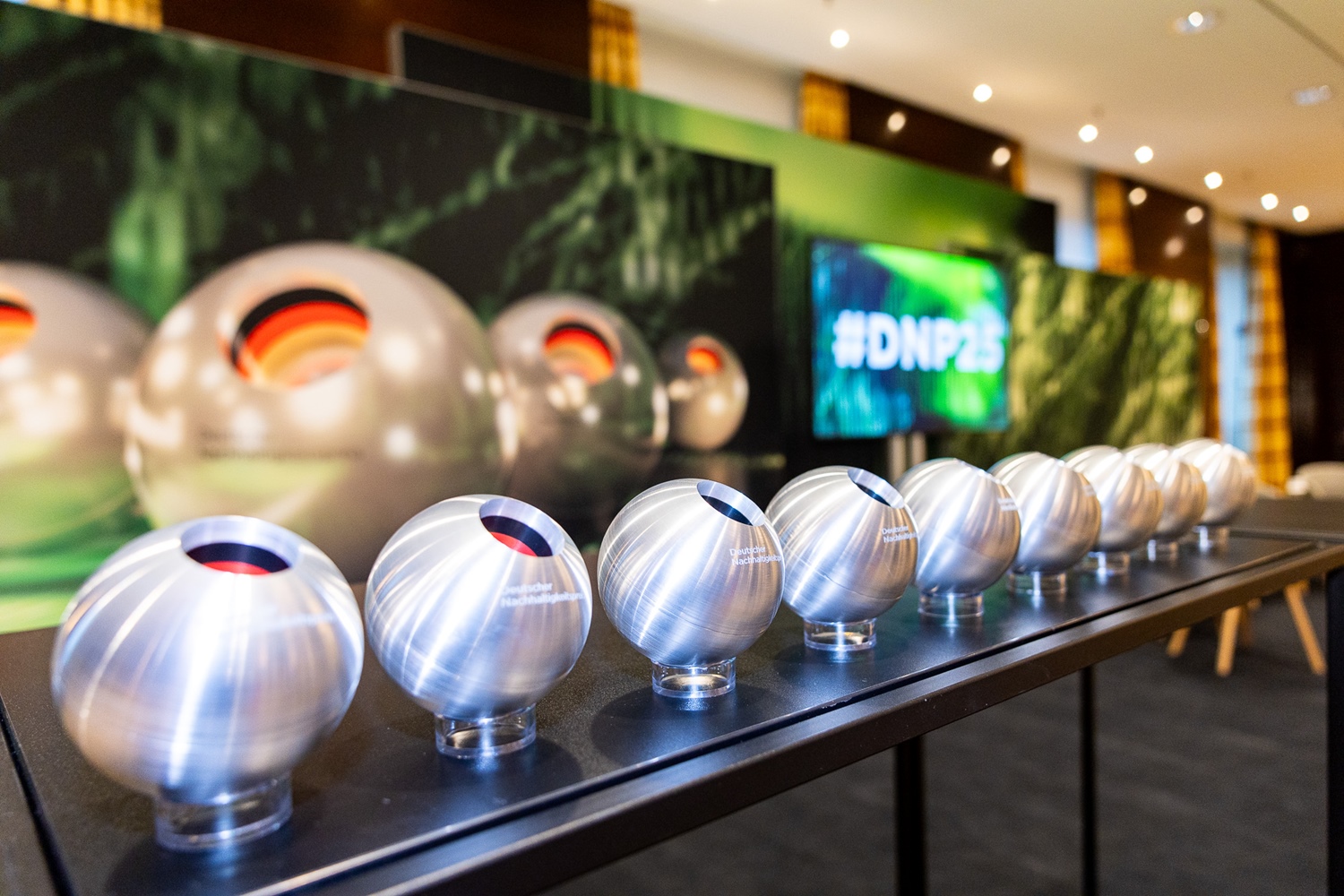
On the 5th of December 2025, Gmund Paper received the German Sustainability Award 2026 in the paper, cardboard, paperboard category. The independent expert jury awards the prize to companies that have made a particularly impressive contribution to transformation in their respective industries, based on transparent jury rules, intensive research, publicly available information and the expertise of the jury.
According to the jury, Gmund Paper impressed in particular “with its corporate approach, which consistently combines the highest quality with ecological responsibility. The paper mill at Lake Tegernsee has been setting standards for recyclability and resource efficiency in the industry for decades.”
The award particularly recognises the paper manufacturer's role as a pioneer: “With bold investments in environmental technologies and the combination of precision craftsmanship and innovation, Gmund Paper demonstrates that ecological responsibility, aesthetics and the highest paper quality are not mutually exclusive.”
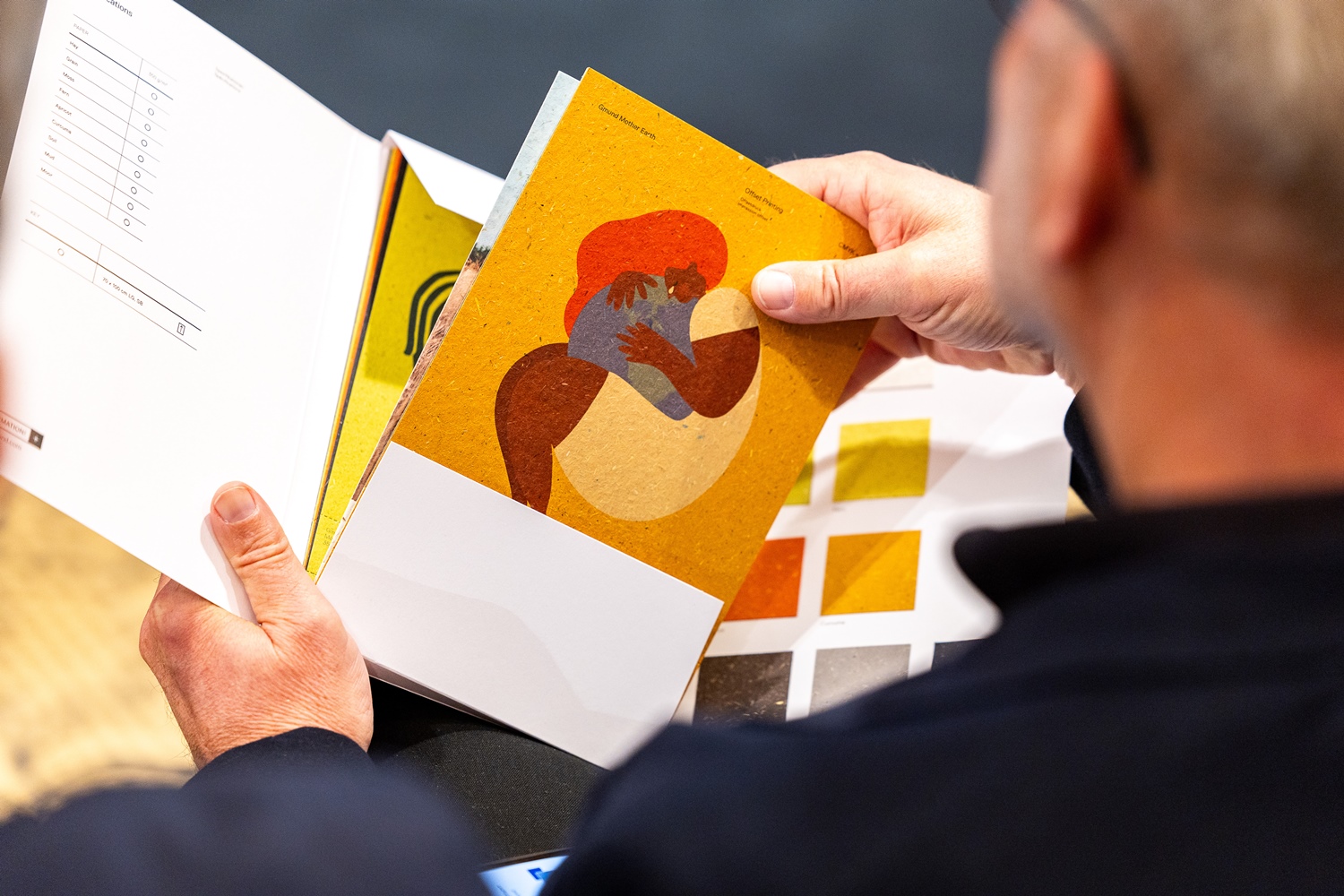
At the company's site, papers are developed from resource-saving and fast-growing plant fibres. Today, Gmund's range includes paper collections made from 100% hemp, 100% recycled cotton and the Gmund Mother Earth collection. These innovative fibres reduce the use of traditional wood pulp and open up new avenues for high-quality and sustainable papers. Gmund is thus setting new standards for environmentally friendly paper production and is considered an important driving force for the ecological transformation of the entire industry.
Florian Kohler, owner of Gmund Paper: “Beyond the already high level of sustainability, previously unthought-of approaches are being explored to position Gmund Paper as the beacon for plant-based fibre technologies. For us, environmental protection goes far beyond simply reducing CO2 emissions. As a member of the family and former senior civil servant in the German Ministry of the Environment, Ludwig Kohler will be joining the Gmund team to expand Gmund's strategic focus on sustainability.“
In addition, up to 75% of the company's electrical energy requirements come from its own renewable sources such as hydropower, solar energy and combined heat and power. The additional electricity required consists of 100% certified and CO2-free renewable electricity. Thanks to a modern ozone purification system, fresh water is reused several times in one production cycle. This has significantly reduced water consumption.
An in-house cradle-to-cradle programme, alternative plant fibres, FSC®-certified raw materials and a voluntary environmental charter underline the company's consistent commitment to climate, resources and biodiversity.
Images: Schuchrat Kurbanov